HUBERMAN: Well, the first relates to something that many people take BPC-157 for because they believe it's good for them, and in some cases, potentially could be, which is that in addition to increasing fibroblast migration and angiogenesis, blood vessel development within a site of injury, BPC-157 is known to have a small but nonetheless meaningful impact on upregulating growth hormone receptors
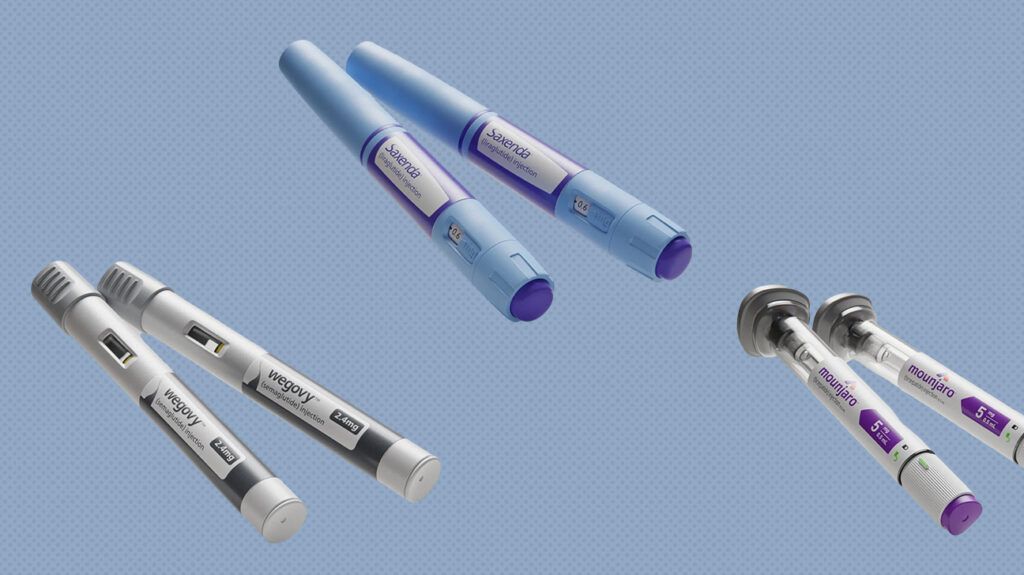
Based on the clinical evidence and the patient profiles where the compound appears most applicable, the following characteristics tend to describe good candidates for AOD 9604 evaluation when it is medically supervised: Patients with stubborn localized fat deposits that have not responded to diet and exercise, particularly visceral and lower abdominal fat Patients who cannot tolerate GLP-1 medications due to nausea, gastrointestinal side effects, or contraindications Active patients with reasonable baseline metabolic health who want a targeted lipolytic tool to complement their training and nutrition program Patients already on a peptide protocol who want to add a fat-targeting element to a GHK-Cu, NAD+, or sermorelin stack Patients who are not candidates for stimulant-based fat loss medications due to cardiovascular sensitivity, anxiety, or blood pressure concerns AOD 9604 is not appropriate as a standalone weight loss strategy for patients with significant obesity, insulin resistance, or metabolic syndrome
The longitudinal associations of inflammatory biomarkers and depression revisited: systematic review, meta-analysis, and meta-regression
STZ-injected Nrf2 / mice also exhibited delayed wound healing due to increased oxidative damage and keratinocyte cell death (85)